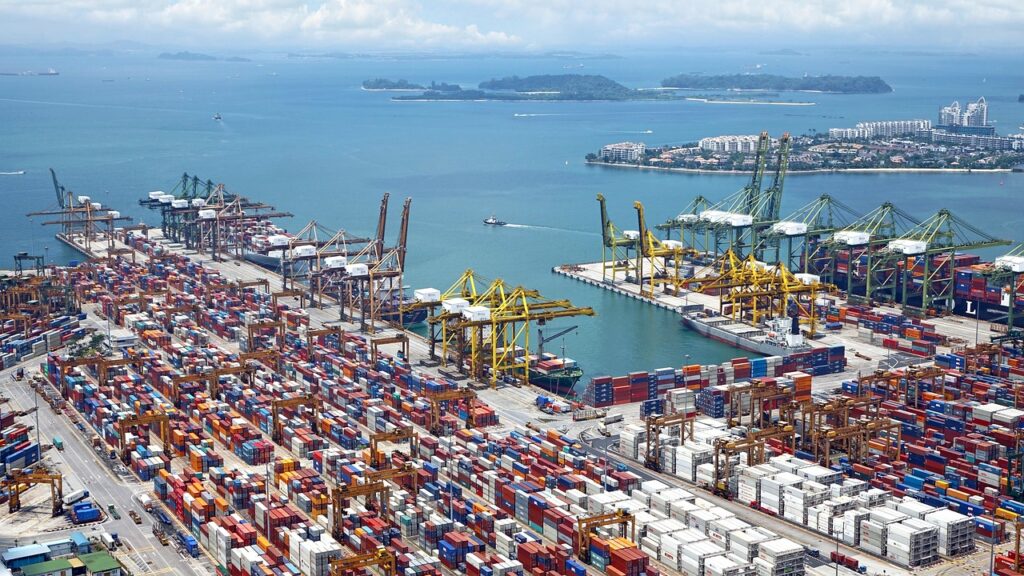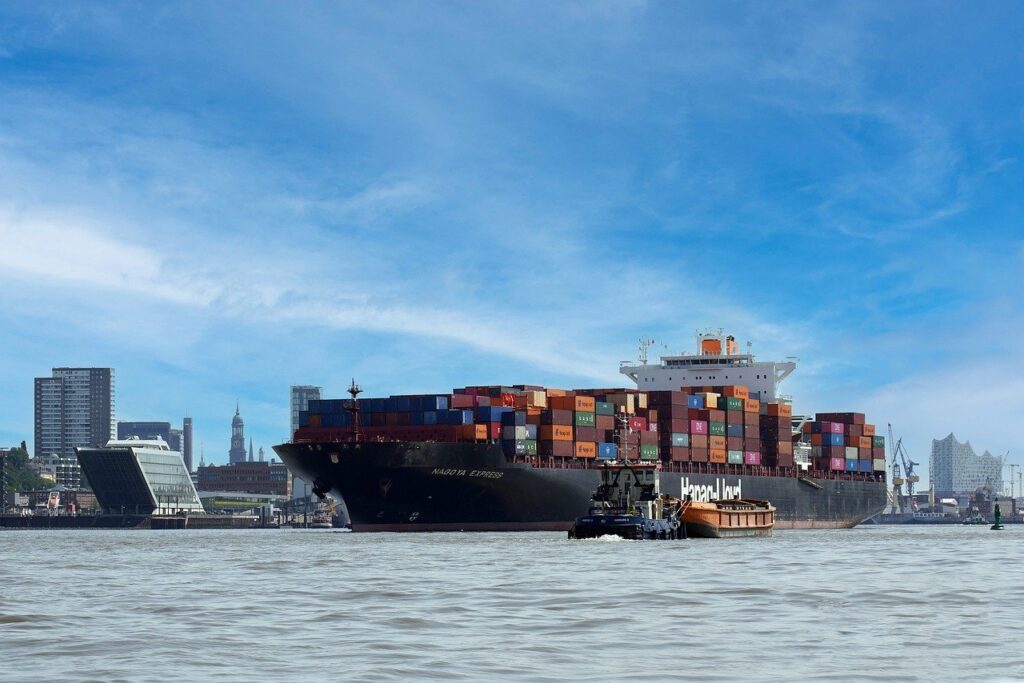
A looming dockworkers’ strike on the U.S. East Coast, expected to begin on October 1st, could disrupt over 60% of Colombian exports to the United States, posing a serious threat to trade and supply chains. According to the U.S. Census Bureau, of the $14.89 billion in imports the U.S. received from Colombia in 2023, 61.3%—or $9.13 billion—entered through maritime routes to the East Coast. If the strike proceeds, this crucial trade route could face severe delays, impacting industries and products, particularly Colombian agro-export goods.
Javier Díaz Molina, President of Analdex, warns of the widespread consequences this strike could have on the shipping industry. “The strike, expected to begin on October 1, 2024, would halt port operations, leading to significant delays in the loading and unloading of goods. The interruption of the flow of goods could cause a shortage of imported products, but the most concerning impact for Colombia is the potential paralysis of its exports,” Molina explained.
The U.S. Census Bureau reported that in 2023, the U.S. imported $14.89 billion worth of goods from Colombia, with 61.3% of those goods entering the country via maritime routes to the East Coast. Major East Coast ports affected include Houston, Newark, Corpus Christi, Port Everglades, and Miami. Houston alone received $2.79 billion in goods, while Newark handled over $1.01 billion, making them key points of entry for Colombian exports.
Impact on Colombian Agriculture
Colombia’s agricultural sector stands to be hit the hardest. The country’s main non-energy exports by sea to the U.S. in 2023 amounted to $4.13 billion, with key products like unroasted coffee ($1.1 billion), aluminum doors and windows ($627 million), bananas ($147 million), and coffee extracts ($118 million). Any delays caused by the strike could result in significant financial losses for Colombian exporters.
What Can Exporters Do?
Exporters are advised to plan ahead and consider alternative routes to bypass potential disruptions. Options include rerouting shipments to the West Coast, utilizing ports like Los Angeles or private terminals. However, these alternatives come with risks of congestion, particularly at the Panama Canal, and could extend delivery times. In some cases, air transport may offer a viable alternative for time-sensitive goods.
Molina also pointed out that the situation could mimic the pandemic-era container shortage, where containers stuck at ports failed to return to origin, causing worldwide logistical disruptions. “This could negatively affect global logistics, increasing freight costs and deteriorating service levels in other regions,” he noted.
Conclusion
The potential U.S. dockworkers’ strike presents a serious risk to Colombia’s trade with the United States, particularly for agricultural products. Colombian exporters must act quickly, exploring alternative shipping routes, factoring in longer delivery times, and potentially shifting to air freight to avoid the costly delays that could arise if the strike goes ahead. Being proactive now could save businesses significant financial and logistical headaches later.