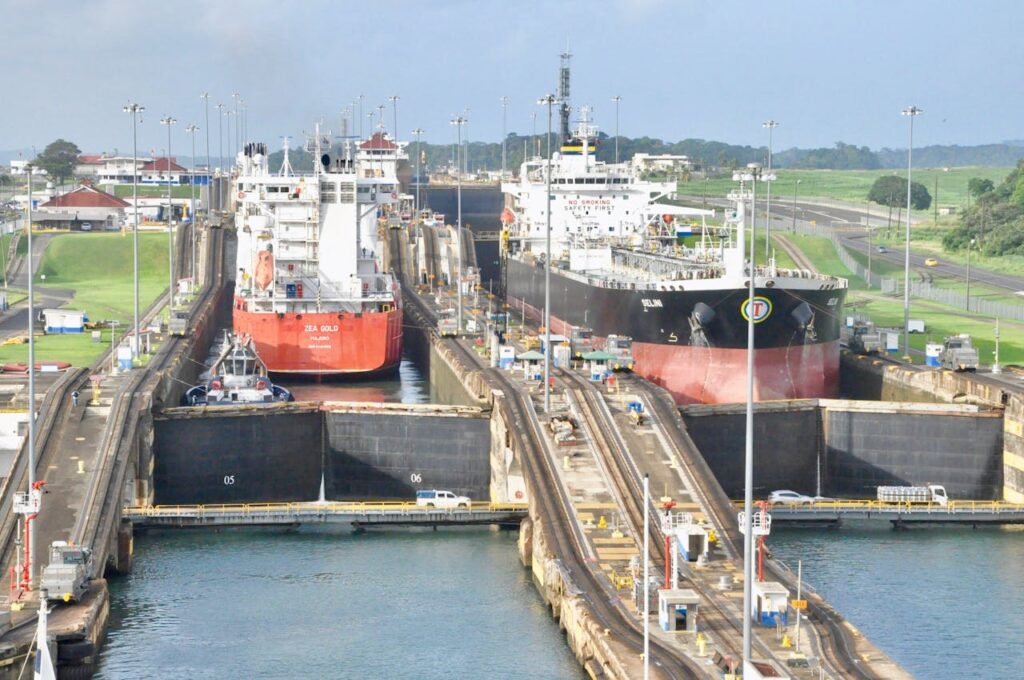
The Panama Canal is set to increase the number of daily transit slots for vessels from 34 to 36, beginning in September. This adjustment comes as recent rains have allowed authorities to ease restrictions imposed due to a severe drought.
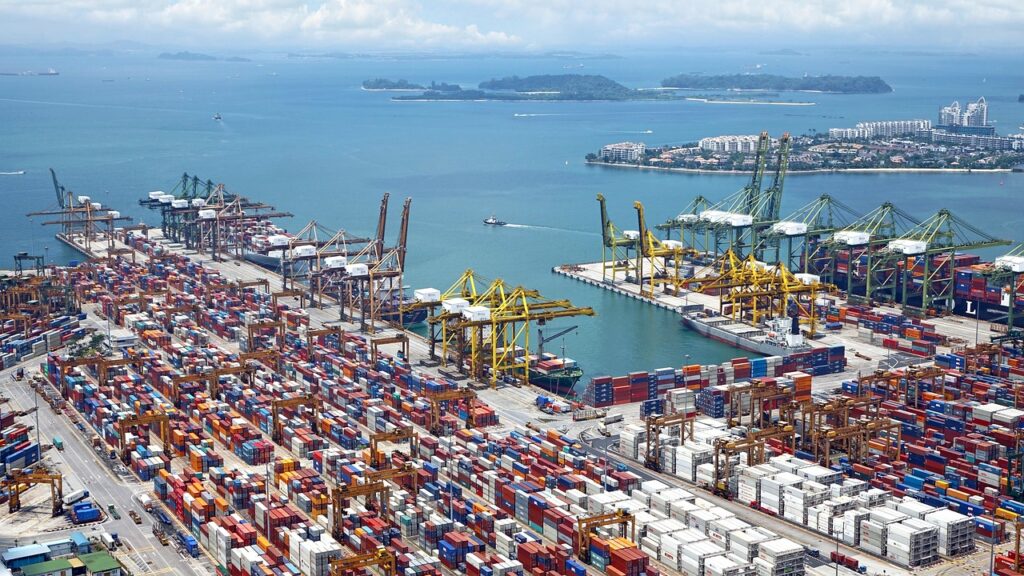
In 2023, Panama experienced its third-driest year on record, significantly lowering the water levels in the canal. This drought led to strict limitations on the number of vessels allowed to transit through the canal, which connects the Atlantic and Pacific Oceans. As a result, there were times when more than 100 ships lined up, with waiting times extending up to 21 days. This congestion affected the canal’s operations, which account for approximately 5% of global shipping.
The increase in transit slots marks a crucial step toward normalizing operations at the canal, as it aims to manage and alleviate the backlog of vessels. With the easing of restrictions, the Panama Canal Authority hopes to improve the efficiency and flow of maritime traffic, ensuring a smoother and more predictable passage for global shipping companies.
As the canal plays a vital role in international trade, this adjustment is expected to positively impact global supply chains and shipping schedules. The situation will continue to be monitored closely, with further adjustments possible depending on weather patterns and water levels.
This decision underscores the importance of the Panama Canal in global commerce and the challenges posed by climate-related events on critical infrastructure. As the world navigates an increasingly volatile climate, such adaptive measures are crucial to maintaining the flow of goods and services across continents.