In a critical development for U.S. trade and supply chains, dockworkers from the International Longshoremen’s Association (ILA) have reached an agreement to suspend their strike until January 15, allowing time for both sides to negotiate a new six-year contract. This temporary halt in the strike, which had begun at major ports along the East and Gulf Coasts, means that dockworkers will immediately resume their duties, providing much-needed relief to industries reliant on maritime trade.
What Led to the Strike?
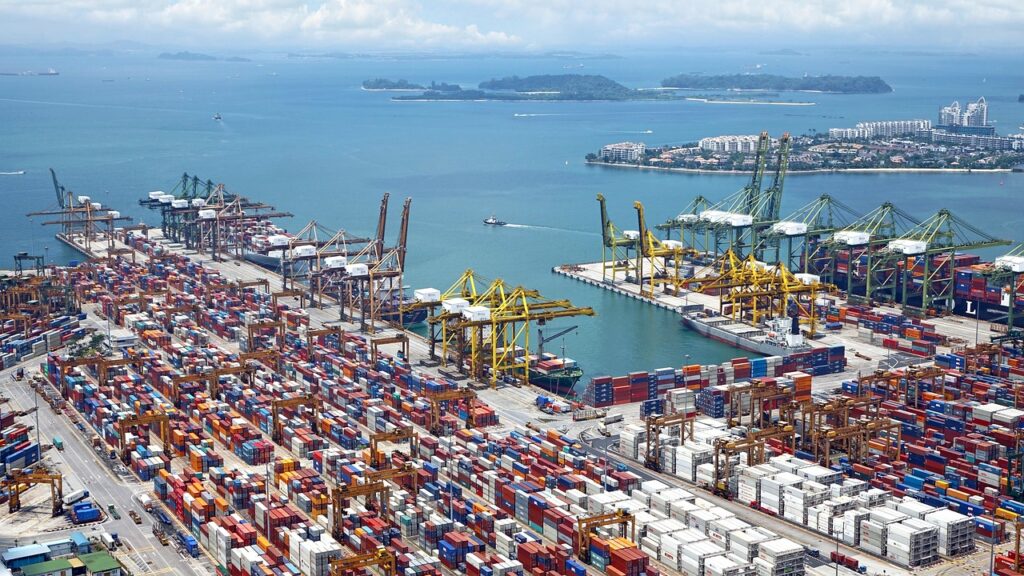
The ILA, representing 45,000 dockworkers, initiated the strike after their previous contract expired. The central points of contention revolved around wages and the increasing automation of port operations. As ports from Maine to Texas ground to a halt, concerns about the strike’s timing were especially high, coinciding with the peak of the holiday shopping season. Thirty-six key ports, responsible for handling nearly half of the United States’ maritime cargo, had been affected.
While the strike posed a significant threat to U.S. trade, many retailers had anticipated the disruption and adjusted their supply chains by stocking up in advance. Still, a prolonged strike could have led to severe shortages, particularly in the consumer goods, automotive, energy, and agricultural sectors.
Temporary Relief for Supply Chains
The new agreement allows the ILA and the U.S. Maritime Alliance (USMX), which represents ports and shipping companies, more time to negotiate without the immediate pressure of a work stoppage. While details of the agreement on wage increases are not yet public, both sides have agreed to extend talks in hopes of reaching a long-term resolution.
This reprieve is seen as crucial to maintaining the flow of goods, especially during such a critical period for retail and other industries. The strike had threatened over 43% of U.S. maritime trade, and experts estimated that a continued stoppage could have cost the U.S. economy as much as $5 billion per day.
Government Response and Warnings Against Price Gouging
The suspension of the strike has been met with relief, not just from businesses but also from government officials. Four East Coast state governors—Kathy Hochul of New York, Phil Murphy of New Jersey, Wes Moore of Maryland, and Maura Healey of Massachusetts—issued a joint statement urging both sides to reach a «fair agreement» quickly. They emphasized the importance of protecting both the rights of workers and the smooth operation of the nation’s ports.
The governors also warned against opportunistic price gouging by companies looking to exploit the disruption. They affirmed their commitment to monitoring the situation closely in coordination with the Biden-Harris administration, ensuring that critical supplies, such as medical goods and food, would remain available across the country.
Looking Ahead: What’s at Stake?
While this temporary suspension provides breathing room, the risk of renewed disruption remains if a new contract cannot be agreed upon by January 15. The stakes are high, with U.S. businesses heavily reliant on maritime trade, especially for imports of consumer goods, vehicles, food products, and hydrocarbons.
As negotiations continue, companies dependent on U.S. ports are advised to prepare for potential delays and disruptions in early 2024. Exploring alternative routes, including West Coast ports or even air freight, could help mitigate future risks. However, businesses should also be aware that increased demand on these alternative methods could lead to congestion and longer delivery times, not to mention higher costs.
Conclusion
The temporary resolution to the U.S. dockworkers’ strike has bought some time, but businesses and consumers alike should stay alert to the evolving situation. The months ahead will be crucial as negotiations continue, with the future of U.S. maritime trade hanging in the balance. For now, the suspension of the strike offers some relief, but the potential for continued disruption remains if a final agreement isn’t reached by mid-January.
At a time when the global economy is already grappling with supply chain challenges, the outcome of these negotiations will be critical to ensuring stability in trade and logistics across the U.S.