With the primaries underway and the polls slated to open on November 5, 2024, discussions regarding tariffs on Chinese imports, particularly championed by Republican frontrunner and former President Donald Trump, are sparking concerns within international supply chains.
In a recent interview with Fox News, Trump emphasized the need for fair trade practices with China, citing previous exploitation of US trade policies. He hinted at the possibility of imposing tariffs exceeding 60% on Chinese imports, further fueling anxieties among global traders.
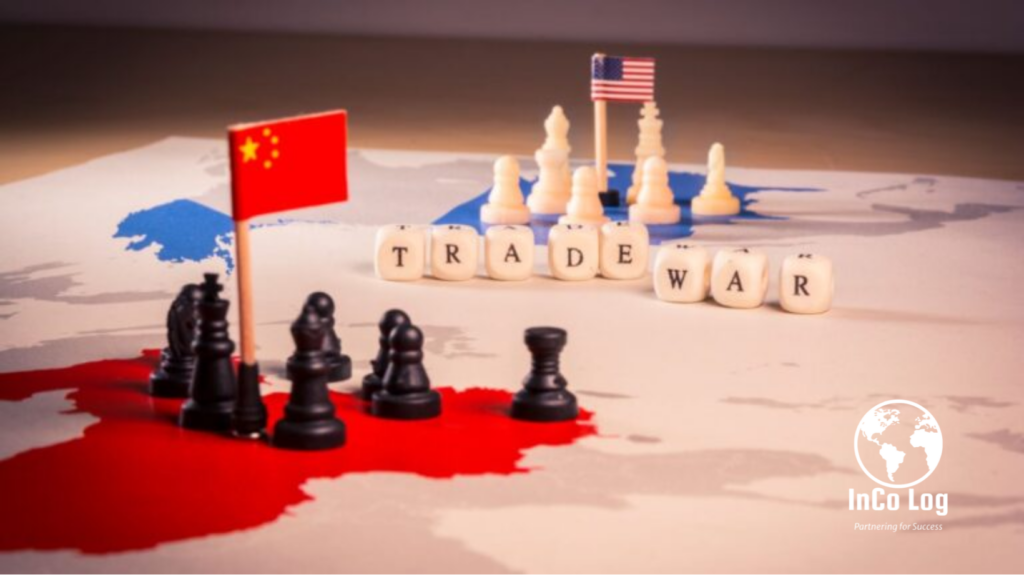
The trade tensions between the US and China date back to March 2018 when the Trump administration imposed tariffs of 25% on steel and 10% on aluminum imports. In retaliation, China levied tariffs on over 100 US products, igniting a protracted trade war.
Trump’s persistent stance on tariffs, coupled with his «America First» trade policy agenda, underscores a steadfast commitment to reshaping international trade dynamics.
Recent reports suggest that logistics firms are already strategizing for potential tariff hikes in the event of a Trump reelection. Many are considering Mexico as a viable alternative for their supply chains, given its proximity to the US and favorable trade relations.
Notably, Mexico has emerged as a key player in US trade, surpassing China as the largest importer in 2023. The growing import value from Mexico reflects a strategic shift in global trade patterns.
As the election approaches and trade policies come under scrutiny, stakeholders in global supply chains remain vigilant. With the US and China at odds, the implications for international trade are profound, highlighting the interconnectedness of the global economy.