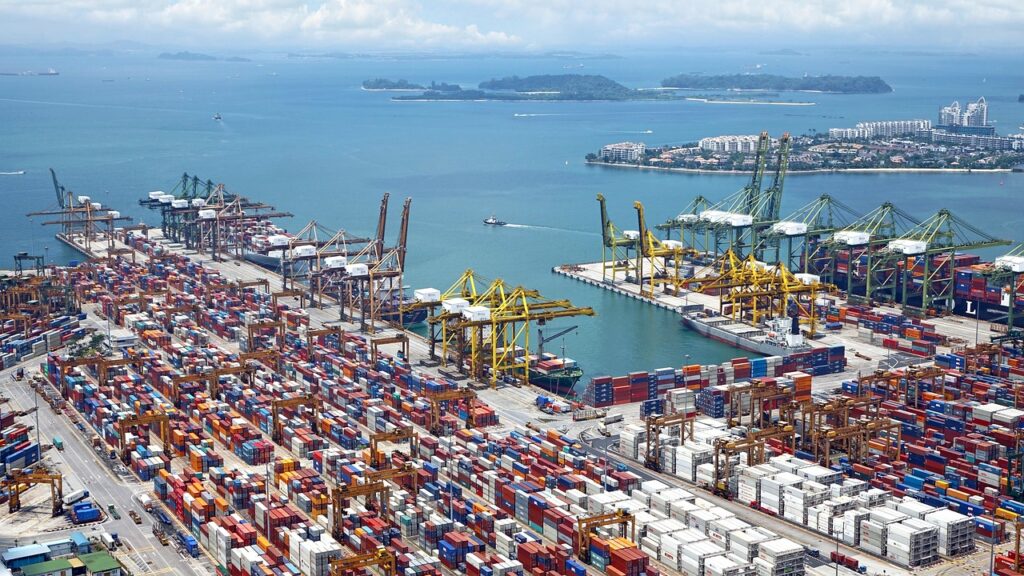
In the vast world of global trade and logistics, the choice between airfreight and ocean freight can significantly impact the efficiency, cost, and speed of transporting goods. Both modes have their distinct advantages and limitations, making it essential for businesses to make informed decisions based on their specific needs. In this blog, we’ll compare and contrast airfreight and ocean freight services to help you determine the right shipping mode for your cargo.
1. Speed and Transit Time:
Airfreight: When it comes to speed, airfreight takes the lead. Airplanes can cover long distances in a matter of hours or days, making it ideal for time-sensitive shipments. If you need your goods to reach their destination quickly, airfreight is the way to go.
Ocean Freight: Ocean freight, on the other hand, is significantly slower. Ships move at a more leisurely pace and can take weeks or even months to traverse long distances. While not ideal for urgent shipments, it’s a cost-effective choice for goods with longer lead times.
2. Cost:
Airfreight: Speed comes at a price. Airfreight is generally more expensive than ocean freight due to the higher operating costs of airlines. The cost is determined by factors such as weight and volume, making it a costly option for large or heavy cargo.
Ocean Freight: Ocean freight is cost-effective for transporting large quantities of goods over extended distances. The charges are typically calculated based on container size (FCL – Full Container Load) or space used in a shared container (LCL – Less than Container Load). For businesses looking to minimize transportation costs, ocean freight is often the preferred choice.
3. Reliability:
Airfreight: Airfreight is known for its reliability. Flights operate on tight schedules, and airlines prioritize the timely delivery of cargo. This mode is less affected by weather-related delays compared to ocean freight.
Ocean Freight: While ocean freight is generally reliable, it is more susceptible to delays caused by adverse weather conditions, port congestion, and other logistical challenges. Businesses must factor in these potential delays when planning shipments via ocean freight.
4. Environmental Impact:
Airfreight: Airfreight has a higher carbon footprint per unit of cargo transported compared to ocean freight. If environmental concerns are a priority for your business, you may want to explore ways to reduce your carbon emissions when using airfreight.
Ocean Freight: Ocean freight is considered a more eco-friendly option due to its lower emissions per unit of cargo. Companies focused on sustainability may find ocean freight aligns better with their environmental goals.
5. Cargo Type:
Airfreight: Airfreight is ideal for high-value, perishable, or fragile goods that require quick delivery. It’s commonly used for electronics, pharmaceuticals, and fresh produce.
Ocean Freight: Ocean freight is well-suited for bulky, non-perishable, or less time-sensitive cargo, such as machinery, raw materials, and consumer goods.
In conclusion, the choice between airfreight and ocean freight depends on various factors, including the urgency of your shipment, budget constraints, cargo type, and environmental considerations. Businesses often find it beneficial to work with logistics experts who can assess their unique needs and recommend the most suitable shipping mode for each situation. Ultimately, making an informed decision between airfreight and ocean freight can contribute to a smoother and more cost-effective supply chain.