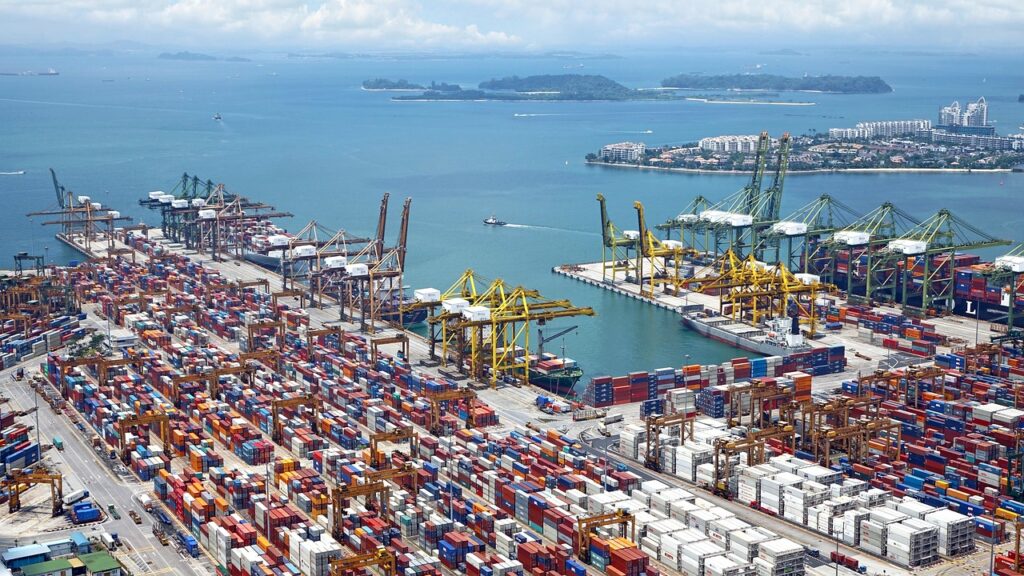
Warehousing is the unsung hero of modern logistics, silently operating behind the scenes to ensure the smooth flow of goods from manufacturers to consumers. In this blog, we’ll dive into the world of warehousing, exploring its significance and the various types of storage facilities that play a pivotal role in the global supply chain.
The Significance of Warehousing
At its core, warehousing is the art of efficiently storing, handling, and managing goods and materials within a facility. It serves as a bridge between production and distribution, offering several crucial benefits:
1. Inventory Management: Warehouses allow businesses to stockpile inventory, ensuring a steady supply of products to meet customer demand. This prevents stockouts and maintains customer satisfaction.
2. Seasonal Flexibility: Warehouses enable businesses to handle seasonal fluctuations in demand. They can store excess inventory during off-seasons and quickly distribute it when demand surges.
3. Cost Reduction: Efficient warehousing can lead to cost savings through bulk purchasing, reduced transportation costs, and optimized labor utilization.
4. Improved Order Fulfillment: Warehouses help in order consolidation and picking, which means faster and more accurate order fulfillment, reducing lead times for customers.
5. Risk Mitigation: Warehouses act as a buffer against supply chain disruptions, such as delays in transportation or production. They offer a layer of protection against unforeseen events.
Now, let’s explore the various types of warehousing facilities:
1. Public Warehouses:
Public warehouses are third-party facilities that offer storage and distribution services to multiple businesses. They are a cost-effective solution for companies looking to store their goods without the need for a dedicated storage space. Public warehouses are known for their flexibility, allowing businesses to scale their storage needs as required.
2. Private Warehouses:
Private warehouses are owned and operated by individual companies to exclusively store their own products. They provide complete control over storage and distribution but require a significant capital investment. Private warehouses are often used by large corporations with consistent storage needs.
3. Distribution Centers:
Distribution centers are strategically located facilities designed for the rapid distribution of goods. They play a critical role in the supply chain, ensuring that products reach consumers quickly. Distribution centers are known for their efficiency and advanced order fulfillment capabilities.
4. Cold Storage Warehouses:
Cold storage warehouses are specialized facilities equipped to store temperature-sensitive products, such as perishable foods and pharmaceuticals. They maintain precise temperature and humidity conditions to extend the shelf life of goods.
5. Automated Warehouses:
Automated warehouses leverage technology such as robotics and conveyor systems to streamline storage and retrieval processes. They are ideal for high-volume, high-velocity operations and offer increased efficiency and accuracy.
In conclusion, warehousing is the backbone of effective supply chain management. Its importance cannot be overstated, as it facilitates inventory management, order fulfillment, cost reduction, and risk mitigation. Understanding the various types of warehousing facilities and their specific roles in the logistics ecosystem is essential for businesses seeking to optimize their storage and distribution processes. Warehousing is not just about storing goods; it’s about creating a well-orchestrated symphony that keeps the wheels of commerce turning smoothly.